
Managing multiple countries and languages without losing control in the backend can be tricky. Here is what to look out for when choosing a B2B CMS for international websites.
The Challenge
If your business is expanding into multiple international markets, you know the drill: as soon as your website runs in three or four languages across different regions, content management gets chaotic pretty quickly.
The goal is clear: find a system that handles multi-country setups smoothly without requiring a massive dev team on standby.
1.Easy Multi-Language & Duplication
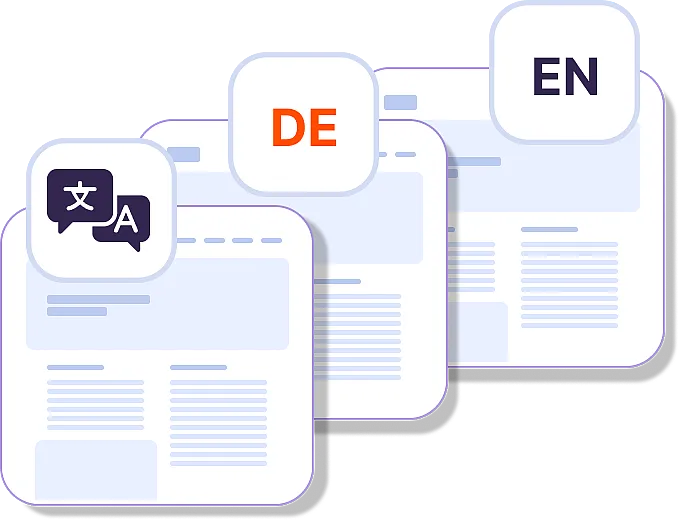
Easily duplicate full page structures across languages and regions so your team only needs to drop in the translated content.
2.Bulletproof Page Layouts
Content updates made by regional teams won't break the layout or design of your website—keeping the system stable and reliable.
3.Effortless Product & Content Management
Effortlessly manage products, client references, and services across all site versions without technical overhead.
4.Clean International SEO & Speed
Clean hreflang mapping and fast loading speeds ensure your regional pages rank correctly on search engines in every target country.

The Right CMS for Your Real-World Workflow
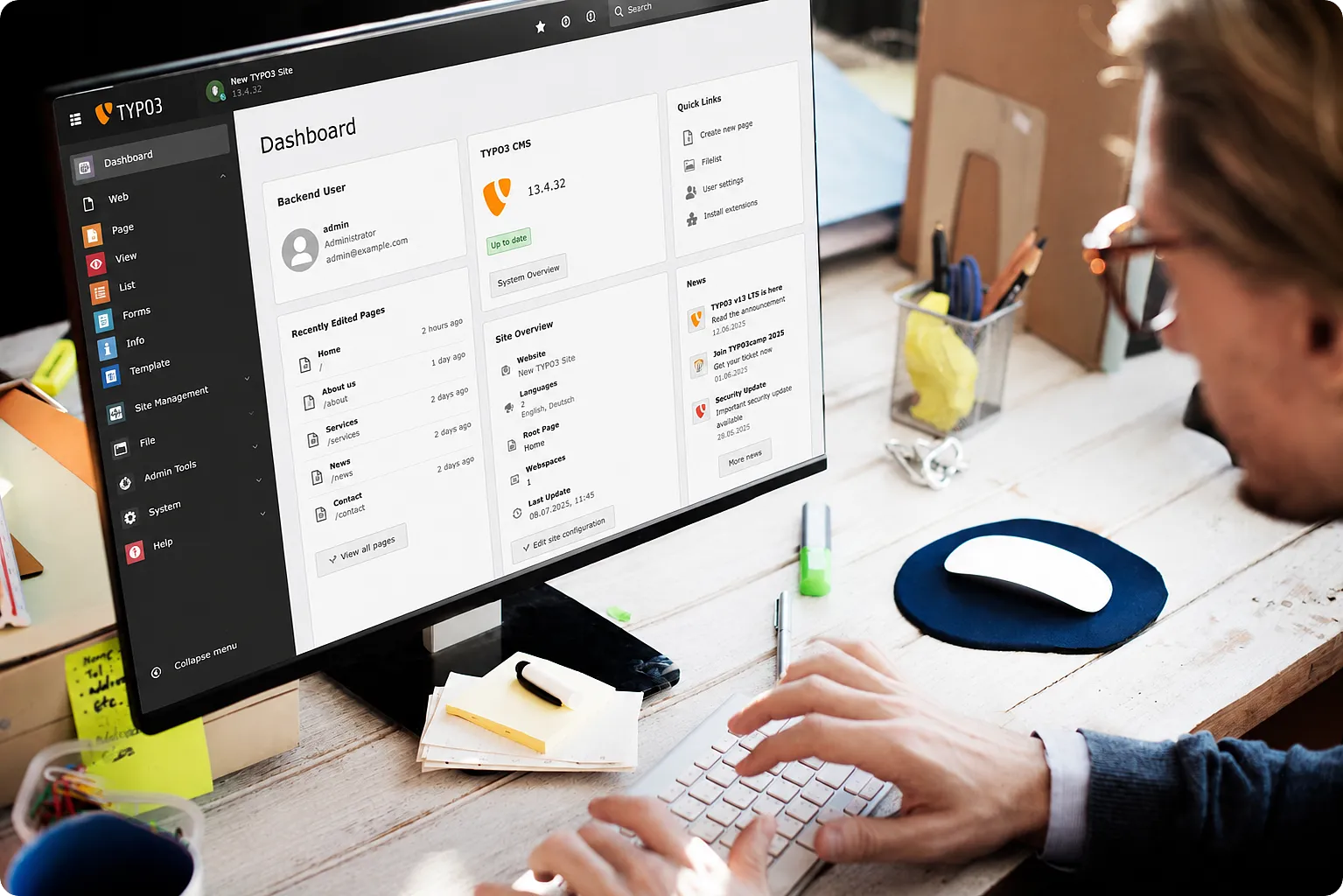
Whether you rely on established enterprise software like TYPO3 or opt for a flexible headless approach – the best system is always the one that fits your team’s actual workflow.
At swisspim AG, we help Swiss companies evaluate their tech stack and build reliable digital web platforms that simplify day-to-day operations and take the pressure off B2B marketing teams.
Three key things decide whether a system makes life easier in the long run:

No copy-paste stress: Translations flow naturally inside the system.
SEO that works: International visibility through clean technical structures.
Clear roles: Brand stability from HQ with speed for regional markets.
Conclusion: One CMS — A Stronger Foundation for Global Growth
A B2B CMS for multi-country websites brings content, languages, markets, and teams together in one scalable digital environment.
For international organizations, this means greater consistency, easier content management, better local flexibility, and a digital foundation that can grow with every new market. Instead of managing complexity country by country, teams gain one structured platform built for global business.
Ready for a faster, safer, and more reliable TYPO3 platform? Get in touch — we’ll prepare a free analysis and upgrade plan for your system.